Online brokers have replaced traditional broker models for most retail traders and investors. The move was not subtle. It was the obvious result of markets becoming digital, pricing becoming more available and trading platforms becoming easier to access. Phone orders, in-person consultations and paper-based dealing were replaced by web dashboards, mobile apps and desktop platforms that let users place trades directly.
The modern online broker gives clients access to financial instruments such as stocks, ETFs, forex, options, futures, CFDs, cryptocurrencies and funds. The exact product range depends on the broker, the country, the account type and the legal permissions behind the platform. Some brokers focus on long-term investing. Others are built for short-term trading. Some offer real asset ownership. Others provide derivative exposure only.
This distinction matters because an online broker is not just a trading app. It is the operational layer between the user and the market. It provides pricing, order handling, account records, margin rules, funding routes, withdrawals and reporting. A poor broker can damage a trading plan through wide spreads, weak execution, hidden fees, poor platform stability or slow withdrawals. A good broker will not turn a bad strategy into a profitable one, but it can remove avoidable friction.
Most online brokers do not provide personal advice. They provide access. The trader or investor chooses the asset, order type, position size and risk level. Some platforms offer research, education or optional managed services, but the standard online brokerage model is execution-based. That means the responsibility sits with the client. The platform gives the tools. The user still has to know what they are doing.
For traders and investors with basic market knowledge, the main job is to understand what the broker actually does, how it makes money, how orders are executed, which regulator supervises the firm and whether the platform fits the intended strategy. The broker should be selected with the same care as any trading system. It is part of the process, not background decoration.
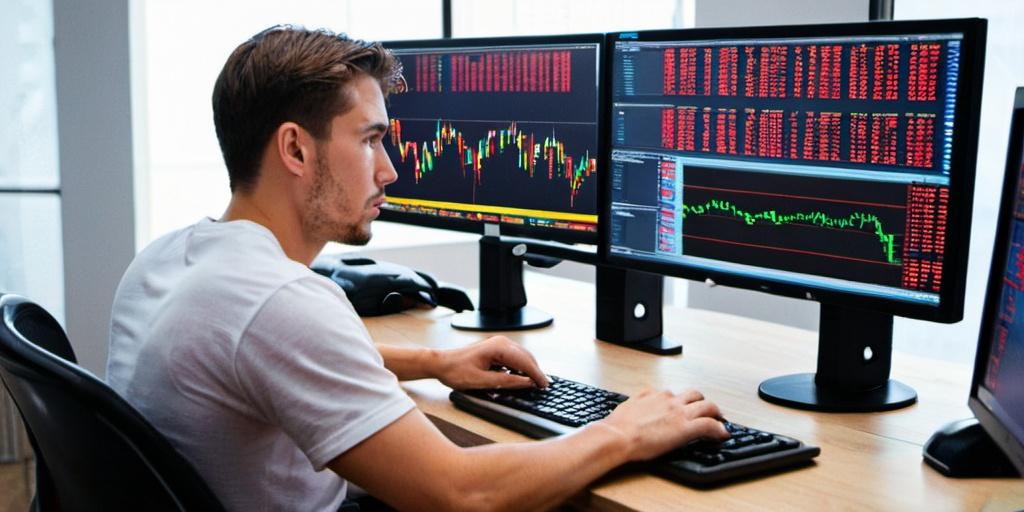
What Online Brokers Actually Do
The basic function of an online broker is order execution. A client selects an asset, chooses whether to buy or sell, enters a quantity and sends an order through the platform. The broker’s system then handles the order according to the product and execution model. A stock order may be routed to an exchange, market maker or trading venue. A forex or CFD order may be matched internally or sent to external liquidity providers. A crypto order may be executed against the broker’s own pricing or through a connected exchange.
This looks simple from the user’s side because the interface hides most of the plumbing. A few clicks create the impression that the market is one clean, direct place. It is not. Different assets use different market structures. Listed stocks trade through regulated venues and clearing arrangements. Forex is largely an over-the-counter market. CFDs are contracts between the client and the broker or broker entity. Crypto may involve exchange access, broker pricing or derivative exposure. The same button can sit on very different machinery.
The broker also maintains the account. It records cash balances, open positions, margin requirements, dividends, interest, financing charges, realised profit and loss, tax documents and transaction history. For leveraged accounts, the broker calculates available margin and may close positions if equity falls below required levels. For investment accounts, the broker may handle custody, corporate actions and dividend payments.
Order handling is where broker quality starts to matter. Some brokers route orders externally. Some internalise order flow. Some act as market makers and may take the other side of client trades. Some use hybrid systems, where one account type receives external execution while another is handled internally. None of these models is automatically bad, but the trader should know which one is being used.
A broker that acts as a market maker may provide stable pricing and simple costs, but it also introduces a potential conflict of interest. A broker that routes externally may reduce that conflict, but execution still depends on liquidity, technology and routing quality. A broker that advertises raw spreads may still charge commission, apply mark-ups or deliver poor fills during volatility. The label matters less than the live result.
The practical point is that online brokers do more than display charts. They control the trading environment. If spreads widen, orders slip, the platform freezes or withdrawals stall, the trader experiences the broker’s real quality. That is why broker selection should include live testing, not just reading the homepage.
Different Types of Online Brokers
Online brokers are often grouped into discount brokers, full-service brokers and specialist brokers. The categories overlap, but they are useful for understanding what the platform is built to do. A discount broker focuses on low-cost execution. A full-service broker adds advice, planning or portfolio support. A specialist broker is built around a market such as forex, CFDs, options, futures or crypto.
Discount Online Brokers
Discount brokers are the standard choice for many retail traders and investors. They usually provide online account opening, direct platform access, lower commissions and self-directed trading. The client makes the decisions. The broker provides the infrastructure. This model works well for investors buying shares or ETFs, and for traders who already have a plan and do not need personal advice.
The weakness of the discount model is that support and education may be basic. The broker may offer general research, screeners and market news, but the user is still responsible for risk and product selection. Low cost also does not mean no cost. Brokers still earn through spreads, currency conversion, securities lending, margin interest, payment for order flow in some jurisdictions or premium services. Free trading is rarely free. It is just better at hiding the invoice.
Full-Service Online Brokers
Full-service brokers provide a higher level of support. This may include investment advice, portfolio planning, managed accounts, tax-aware strategies, research access or direct contact with advisers. The model is more common in wealth management than short-term trading. It is usually more expensive because the broker is selling service and advice, not only execution.
This structure can suit investors who want guidance or who have larger portfolios with more complex requirements. It is less suitable for active traders who need fast execution, tight spreads and low transaction costs. A full-service relationship can be useful, but paying advisory fees for a high-frequency trading setup would be a strange use of money.
Specialist Trading Brokers
Specialist brokers focus on particular markets or trading styles. Forex brokers provide currency trading and often CFDs on indices, metals and commodities. Options brokers provide options chains, strategy tools and margin approval levels. Futures brokers offer exchange-traded contracts with market depth and professional data. Crypto brokers may provide spot crypto access, derivatives or simplified fiat-to-crypto services.
The advantage of a specialist broker is that the tools are usually better suited to the asset class. The risk is that the product may be complex or highly leveraged. A forex and CFD broker may offer fast access and flexible position sizing, but the trader must understand margin, swaps and spread behaviour. A crypto broker may offer easy buying, but custody and withdrawal rights need close attention. The platform should match the product, not just look modern.
How Online Brokers Make Their Money
Commission-free trading changed the way many retail traders think about brokerage costs. The phrase sounds simple, and that is the point. It suggests the broker is not charging for trading. In practice, brokers still need revenue. The cost may appear through spreads, order routing arrangements, currency conversion, interest, subscriptions, platform fees, withdrawal charges or product-specific costs.
The spread is one of the most common costs. It is the difference between the buy price and sell price. A trader who buys at the ask and sells at the bid starts with a small cost built into the position. In forex and CFD trading, spreads can be the main cost. In crypto, spreads can be much wider than users expect, especially on simplified broker apps. In share trading, the spread depends on the market and liquidity, but the broker’s routing can still affect execution quality.
Commission is the more obvious cost. Some brokers charge a fixed amount per trade, a percentage of trade value or a per-contract fee for options and futures. A commission model can be cleaner because the trader sees the charge directly. It is not always cheaper, but it is easier to measure. Active traders should calculate total round-trip cost, which means the full cost to open and close a position.
Payment for order flow is another revenue source in some markets, especially the United States. Under this arrangement, a broker may receive compensation for routing customer orders to particular market makers or execution venues. It can support commission-free trading, but it also raises questions about conflicts of interest and best execution. A trader should understand whether the broker receives order routing payments and how the broker reports execution quality.
Margin interest is important for traders who borrow to increase exposure. If the broker lends money or allows leveraged positions, interest or financing charges may apply. For share traders, this may appear as margin interest. For CFD and forex traders, it may appear as overnight funding, swaps or rollover charges. These costs matter more for positions held over several days or weeks. A trade can be correct on direction and still deliver a weak result if financing costs keep eating at it like a rat in the wall.
Currency conversion fees matter for international investing. A trader funding an account in one currency and buying assets in another may pay a conversion charge. Some brokers show the fee clearly. Others apply a spread around the exchange rate. Investors buying US stocks from a non-US base should pay attention to this because conversion costs can add up over deposits, trades, dividends and withdrawals.
Premium features can also generate revenue. Some platforms charge for real-time data, advanced charting, research, professional market feeds, API access, faster support or higher account tiers. This can be reasonable if the service is useful. It becomes a problem when basic functionality is locked behind unclear pricing or when the broker markets itself as low cost while charging heavily for tools serious users need.
The main rule is simple. Do not judge a broker by one fee. Judge it by total cost under realistic use. A long-term ETF investor, a forex scalper and an options trader should not run the same cost comparison. The broker’s pricing needs to be measured against the user’s actual behaviour.
Platform Performance and Execution Quality
The platform is the part of the broker the client sees every day. It needs to be stable, fast and clear. A polished interface is nice, but reliability matters more. A beautiful platform that freezes during volatility is not a trading tool. It is a decorative liability.
Platform performance should be judged during real market conditions. Quiet sessions do not prove much. Most platforms work well when nothing is happening. The real test comes during market opens, earnings releases, central bank decisions, inflation data, geopolitical shocks and sharp price moves. If charts lag, order tickets fail or the app logs users out during those periods, the platform is not reliable enough for active trading.
Execution speed matters most for active traders. A long-term investor buying an ETF once a month does not need ultra-low latency. A day trader, scalper or algorithmic trader does. When expected profit per trade is small, delay and slippage can change the result. A platform showing a price does not guarantee the trader will receive that price. Market orders execute at the best available price when the order reaches the venue or broker system.
Order types are also important. A useful broker should provide market orders, limit orders, stop orders and take-profit orders. More advanced traders may need trailing stops, bracket orders, one-cancels-the-other orders, good-till-cancelled instructions, partial closing and conditional orders. These tools help manage risk and reduce the need to watch the screen constantly. They are not fancy extras. They are basic controls for anyone trading with discipline.
Mobile functionality should be tested, but it should not be overvalued. A good mobile app is useful for monitoring positions, adjusting stops and checking markets away from the desk. It is less ideal for detailed analysis or complex order placement. Traders who make large decisions from a phone screen with poor signal are adding another source of error. The broker may be fine. The workflow may not be.
Chart quality matters too. The platform should offer accurate data, smooth time frame changes, drawing tools, indicators, alerts and clean order history. For more advanced users, API access, automated trading support, custom indicators, market depth and downloadable reports may be important. The right tools depend on the strategy. A swing trader using daily candles does not need the same setup as a futures trader reading depth of market.
Demo accounts help test the interface. They should be used to place orders, adjust stops, close positions, review account history and understand platform behaviour. Still, demo trading does not always reproduce live liquidity or real slippage. A small live test is more useful for execution and withdrawals. The amount does not need to be large. The goal is to see how the broker behaves when the account is real.
Security, Licensing and Regulation
Security starts with regulation. A broker should be authorised or registered by a recognised regulator in the jurisdiction where it offers services. Regulation does not remove trading risk, and it does not guarantee that a broker will provide perfect service. It does create a legal framework for conduct, reporting, client disclosures and complaints. That framework is much better than relying on a broker’s promise to behave.
In the United States, traders can check brokers and investment professionals through FINRA BrokerCheck. Investment advisers can be checked through the SEC’s Investment Adviser Public Disclosure system. In the United Kingdom, the FCA Financial Services Register and Firm Checker help users verify whether a firm is authorised and whether the details match. In Australia, ASIC provides professional registers for checking Australian financial services licensees and authorised representatives.
Germany’s BaFin provides a company search for checking regulated firms. CySEC publishes regulated entities and approved domains for Cyprus investment firms. These tools matter because fake brokers and clone firms often copy the names, licence numbers or branding of real firms. The domain, legal entity, licence number and contact details should match the official register. If they do not, stop. That is not a minor mismatch. That is the warning siren.
Offshore regulation needs more caution. Jurisdictions such as Seychelles, Belize, Vanuatu and St. Vincent and the Grenadines appear often in retail trading. Some offshore jurisdictions do have licensing frameworks, but they usually offer lighter protections than major regulators such as the FCA, ASIC, SEC, FINRA, BaFin or CySEC. High leverage, easy onboarding and relaxed checks can look attractive, but they often come with weaker complaint routes and less practical protection.
The biggest risk is not only that an offshore broker may be dishonest. The risk is that, if something goes wrong, the trader may have little useful recourse. A delayed withdrawal, account freeze or pricing dispute can be difficult to resolve when the broker is based in a jurisdiction with limited enforcement. An email address and a support ticket are not a safety net.
Cybersecurity should also be considered. A broker should offer two-factor authentication, encrypted connections, secure login alerts and clear account recovery processes. Clients should use strong passwords, avoid public Wi-Fi for account access and keep devices updated. Broker regulation will not help much if the user hands over login details to a phishing site. The basics are dull, which is why they work.
Client asset protection depends on the jurisdiction and product. A securities account, CFD account and crypto account may all have different protections. A trader buying real shares may have different rights from a trader using a CFD that tracks the same share price. A crypto broker that does not allow on-chain withdrawals may be offering price exposure rather than transferable asset ownership. The product structure should be understood before money is deposited.
What to Look for When Choosing an Online Broker
There is no universal best online broker. The right choice depends on the user’s market, strategy, account size, time horizon and risk tolerance. A long-term investor buying ETFs needs different things from a forex scalper. A stock day trader needs different tools from a crypto holder. A futures trader needs different infrastructure from someone buying shares twice a year.
The first filter should be regulation. If the broker cannot be verified through a credible regulator, it should not be treated as a serious candidate. A strong platform, high leverage or low advertised spreads do not make up for weak oversight. The legal entity, registered domain and licence should be checked directly with the regulator before funds are sent.
The second filter should be product access. The broker should offer the exact instruments the user plans to trade. Real shares are not the same as share CFDs. Spot crypto is not the same as a crypto derivative. Futures are not the same as CFDs tracking futures prices. Options involve contract specifications, expiry, assignment and margin rules. The product label should be understood before the trade is placed.
The third filter should be total cost. This includes spreads, commissions, financing, margin interest, currency conversion, market data fees, custody charges, withdrawal fees, inactivity fees and platform subscriptions. A broker with zero commission can still be expensive if spreads are wide or conversions are poor. Cost should be calculated against expected trading behaviour, not against the best-looking marketing number.
The fourth filter should be platform fit. The platform should match the strategy. Active traders need fast execution, strong charting, order control and stability during volatility. Investors need clear reporting, research, custody details and account statements. Algorithmic traders need API access, data quality and reliable automation support. A platform with many features is not automatically better. A platform that supports the workflow is better.
The fifth filter should be funding and withdrawals. Deposits are usually easy because brokers like receiving money. Withdrawals show more. The broker should disclose processing times, accepted methods, fees, verification rules and currency handling. A small live test with a withdrawal request can reveal more than a week of reading reviews. If a broker makes withdrawing awkward at small size, there is no reason to expect better behaviour at larger size.
Customer support should be tested before a serious deposit. A simple question about fees, regulation, account type or withdrawals is enough to assess response quality. The answer should be clear, accurate and linked to the broker’s own policy. Fast nonsense is still nonsense. A broker that cannot explain its own fees before deposit is unlikely to become more helpful after the account is funded.
Comparison Sites and Third-Party Tools
Sorting through online brokers can take time because many platforms advertise similar benefits. Most claim low costs, strong tools, fast execution and reliable support. Comparison sites can help narrow the search by putting broker details in one place. Platforms like brokerlistings.com offer side-by-side information on fees, features, licences and account types.
Comparison sites should be used as filters, not final decision-makers. Many are monetised through referrals, which means broker rankings may be influenced by commercial arrangements. That does not make them useless. It means the user should treat them as a starting point. A comparison site can help identify brokers worth checking, but the trader should still confirm regulation directly, read the fee schedule and test the platform.
Third-party review sites should also be read carefully. Some negative reviews come from traders blaming the broker for losses caused by poor risk management. Some positive reviews are written by affiliates or users with limited experience. The useful information is in repeated, detailed patterns. Multiple reports of withdrawal delays, platform outages or unclear fees deserve attention. One angry post does not prove much. A pattern usually does.
Common Pitfalls for Retail Traders
New traders often choose brokers for the wrong reasons. The most common mistake is believing that zero commission means zero cost. It does not. The broker may be earning through spreads, order routing, currency conversion or financing. The total cost of trading matters more than the headline commission.
Another mistake is choosing an offshore broker for higher leverage. High leverage can feel attractive because it allows larger positions with less capital. The problem is that it magnifies losses as quickly as gains. A trader who cannot manage risk at modest leverage will not become disciplined because the broker offers 1:500. They will just run out of account faster.
Many traders also ignore execution quality. They compare spreads and commissions but never check slippage, order rejection, platform stability or live fills. This is especially dangerous for short-term strategies. A broker with slightly higher visible costs but better execution may be cheaper in practice than a broker with low advertised spreads and poor fills.
Mobile-first trading can also become a problem. Mobile apps are useful, but some traders use them as the main decision-making environment without enough planning. Small screens, weak connections and simplified interfaces can lead to rushed decisions. The app may be convenient. That does not mean it is the best place to manage complex risk.
Another pitfall is confusing education with sales. Many brokers provide market guides, webinars and trading courses. Some are useful. Others are designed to increase trading activity rather than improve decision-making. Education from a broker should be read with that incentive in mind. A broker earns when clients trade. That does not make all education bad, but it does explain why the “place more trades” message keeps appearing in a nice shirt.
The final mistake is not testing withdrawals. Traders often deposit, trade and only think about withdrawals much later. That is backwards. Withdrawal reliability is part of broker quality. Testing it early with a small amount is not paranoia. It is basic account due diligence.
Who Online Brokers Are Best Suited For
Online brokers are best suited for users who want control over their own trading and investment decisions. They work well for active traders who monitor charts, swing traders who manage positions over several days or weeks, and long-term investors who prefer to build portfolios without using a traditional adviser. The common requirement is responsibility. The platform gives access, but the user makes the decisions.
They are less suitable for people who want personal advice, emotional hand-holding or full portfolio management. Those users may be better served by a regulated financial adviser, wealth manager or robo-advisory service, depending on the amount invested and the complexity of their needs. An online broker is not a substitute for advice. It is a tool for people who are prepared to direct their own activity.
The best online broker should be stable, regulated, transparent and suited to the user’s market. It should make costs clear, execute orders according to stated rules, provide usable tools and process withdrawals without drama. It does not need to be flashy. In brokerage, boring is often good. Boring means the platform works, the records match and the money comes back when requested.
Online brokers have made markets more accessible than ever. That access is useful, but it also removes excuses. The trader has the tools, the account and the button. The next step is choosing a broker that does not add avoidable problems to an already difficult business.